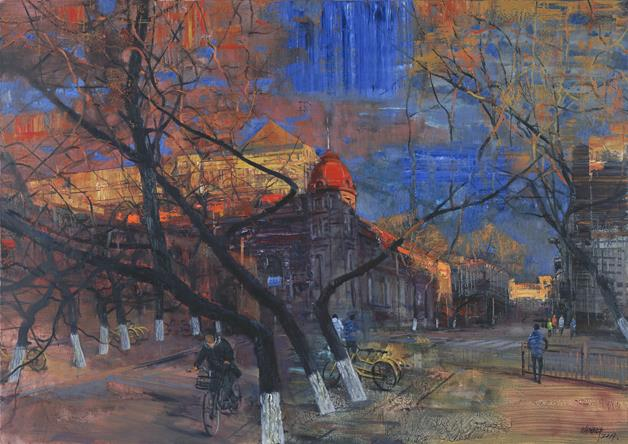
Dongjiao Minxiang
Introduction
Dongjiao Minxiang is a historically significant hutong located in Beijing, China. Stretching about 1,500 meters, it lies to the east of Tian'anmen Square and has evolved into a blend of cultural heritage and modern commerce. The area is renowned for its unique mix of Western-style buildings and traditional Chinese architecture, reflecting its rich past influenced by both domestic and international interactions. Over the years, Dongjiao Minxiang has transformed from a diplomatic hub to a vibrant locale, home to both high-end restaurants and common shops, offering a wide array of culinary and shopping experiences for locals and tourists alike. The hutong's history is deeply intertwined with significant events and transitions in Beijing, making it a fascinating subject for historians and visitors interested in the architectural and cultural evolution of the capital.
History
Origin of Dongjiao Minxiang
The origins of Dongjiao Minxiang trace back to the Yuan Dynasty (1271-1368). This strategic location not only made it a crucial point for trade and supplies but also set the stage for its later development as a center for diplomatic and governmental affairs. This influx of governmental functions laid the foundation for Dongjiao Minxiang's role as a diplomatic quarter, shaping its identity as a place of international interaction and exchange.
Development Over Time
Dongjiao Minxiang's significance grew exponentially in the Second Opium War (1856-60). The hutong opened its doors to diplomats from countries such as Japan, France and Germany, effectively becoming an international enclave within Beijing. This period witnessed the construction of numerous Western-style buildings, which housed foreign legations and consulates. However, the diplomatic focus shifted in the mid-20th century when diplomats were relocated to the Sanlitun area. Despite these changes, Dongjiao Minxiang retains its architectural and historical legacy, offering a glimpse into the past through its preserved buildings and cultural landmarks.
Tourism
Main Attractions
Dongjiao Minxiang offers a wealth of attractions for tourists interested in history, architecture, and culture. The St. Michael Catholic Church is a must-visit landmark, providing a glimpse into the religious and international history of the area. The Western-style buildings, with their historical significance and unique architecture, also draw numerous visitors. In addition to these sites, the hutong's various eateries and shops offer a chance to experience both traditional and modern Beijing, making it a popular destination for both domestic and international tourists.








